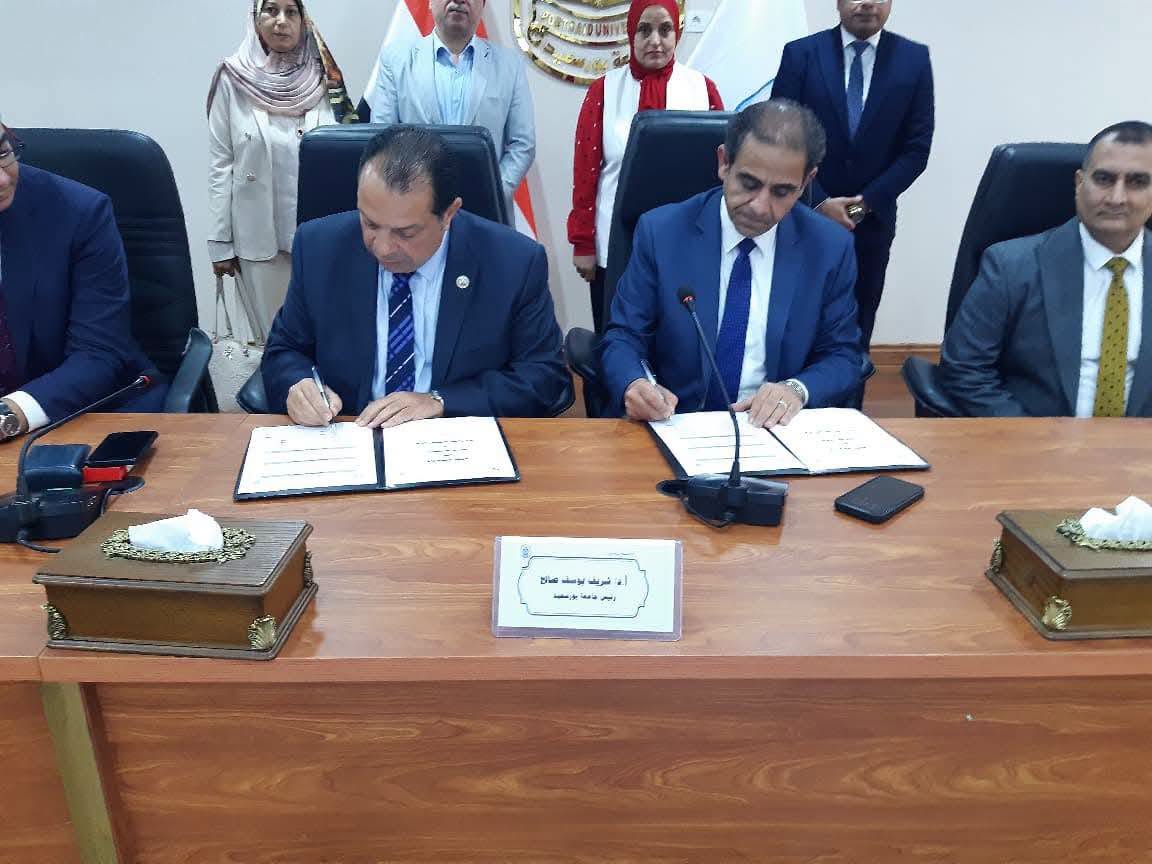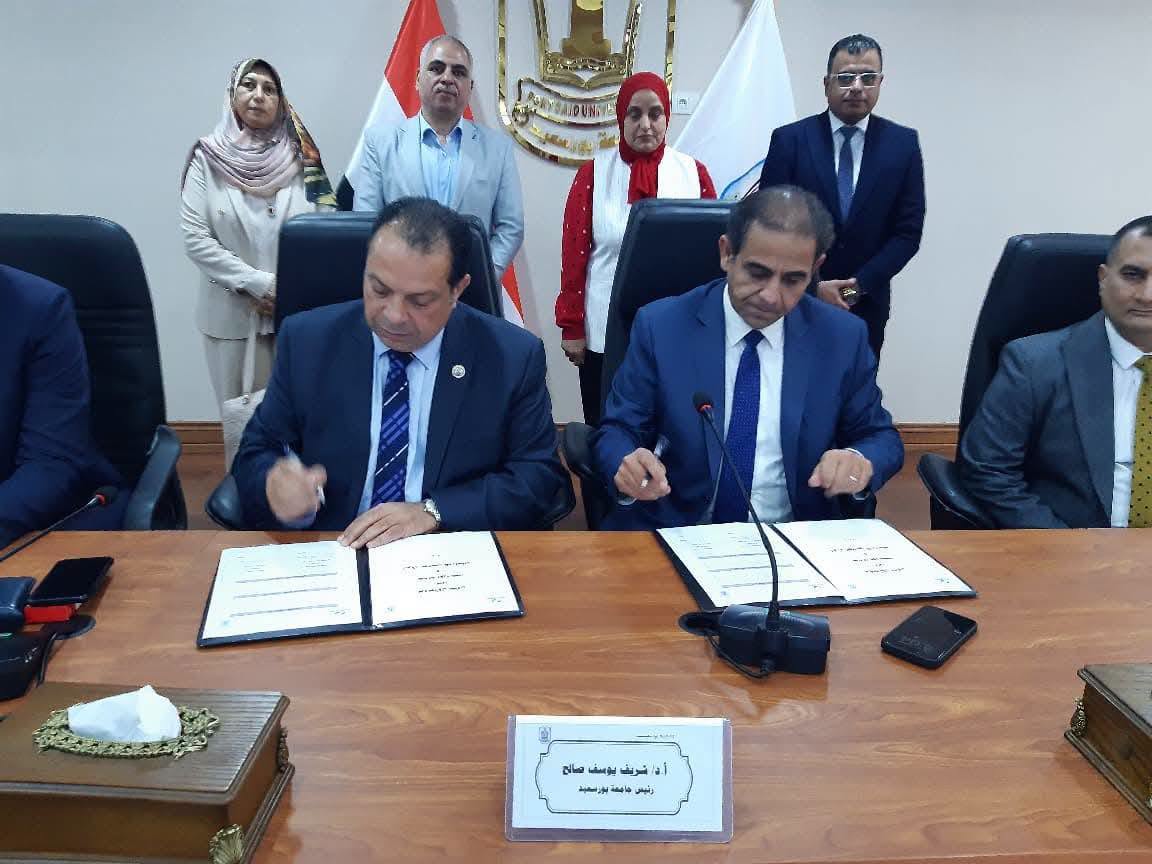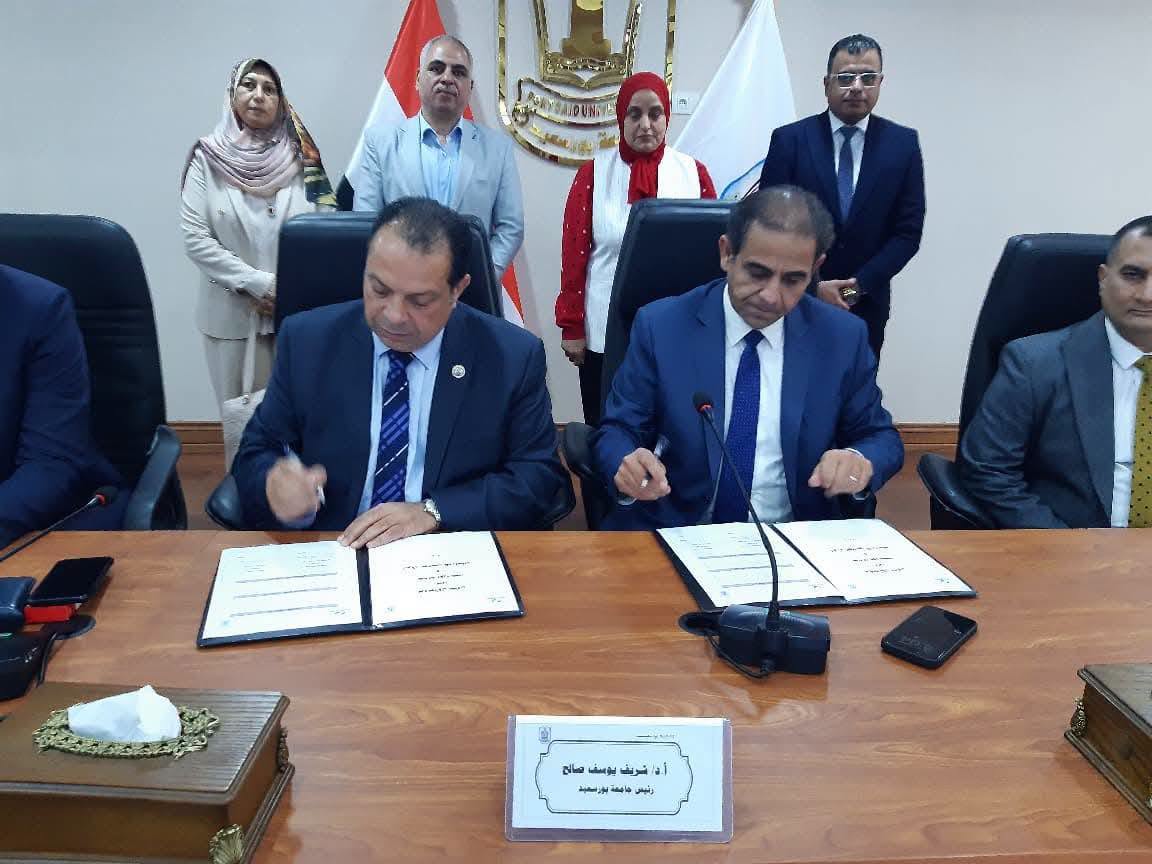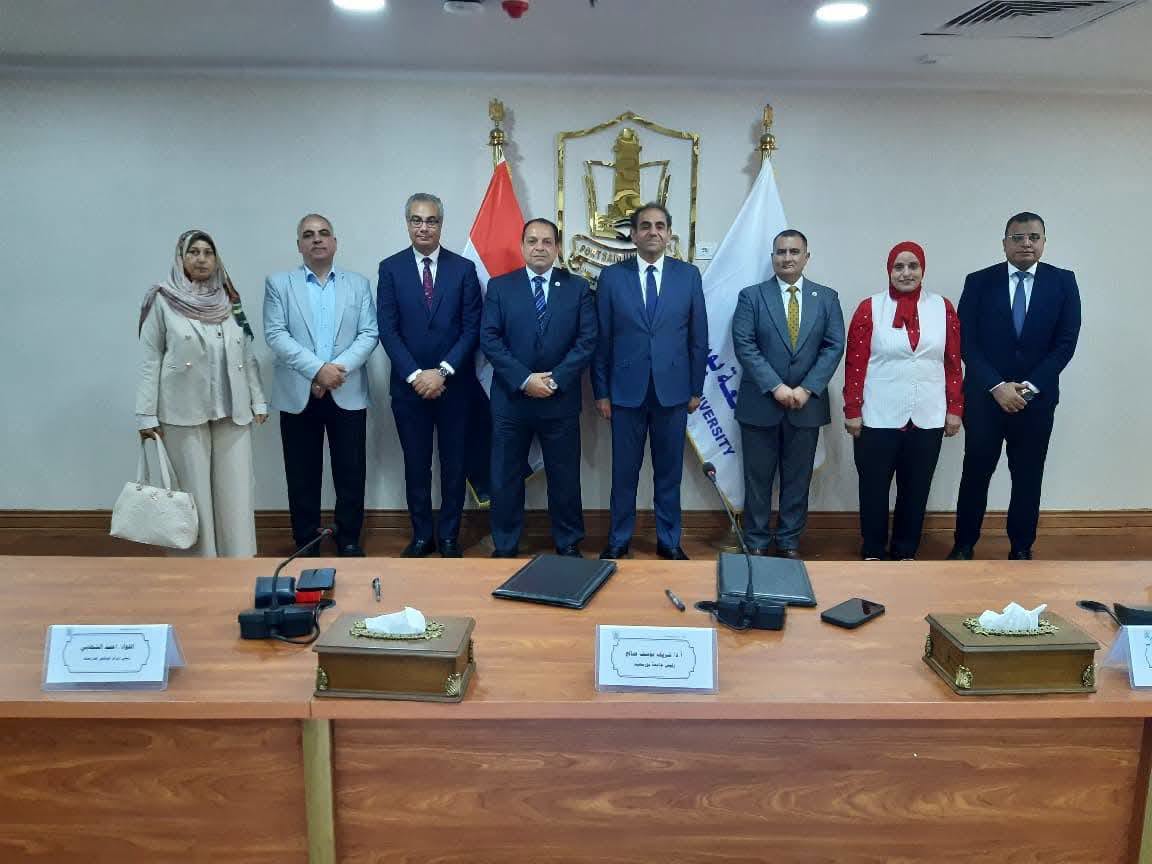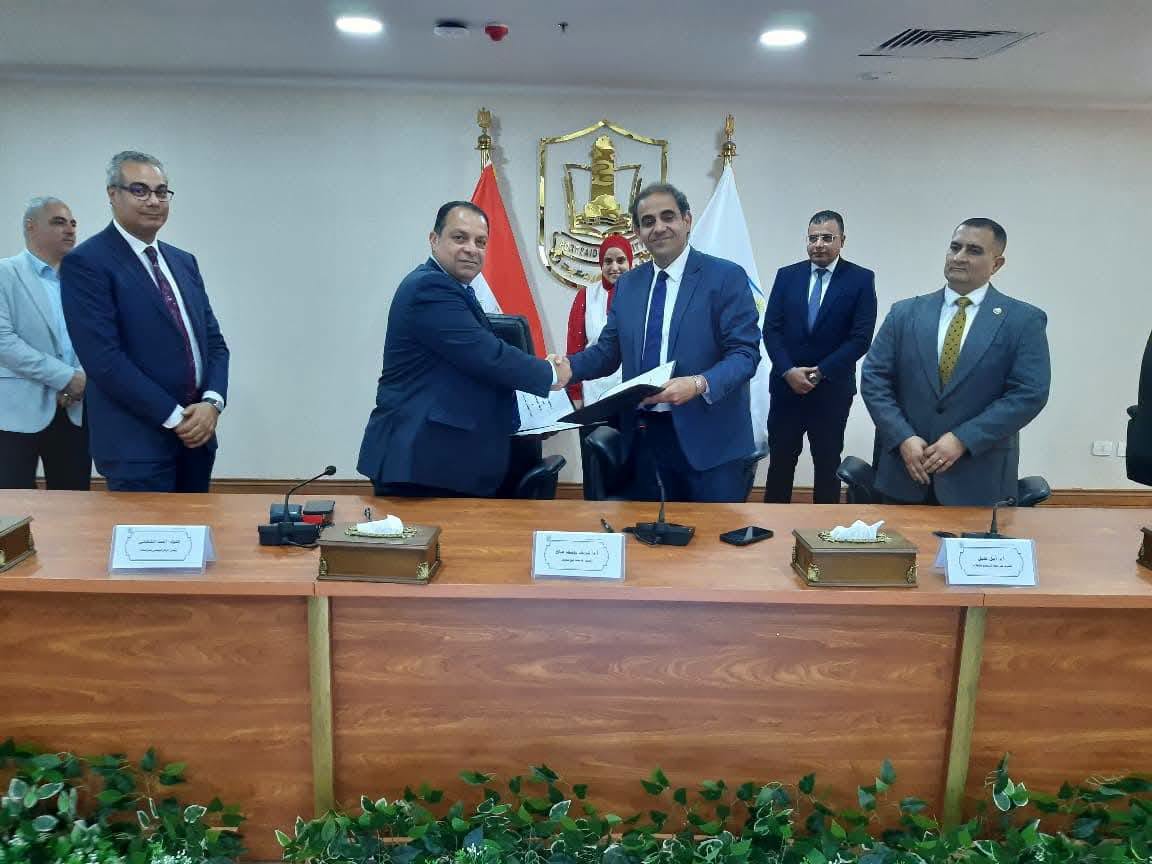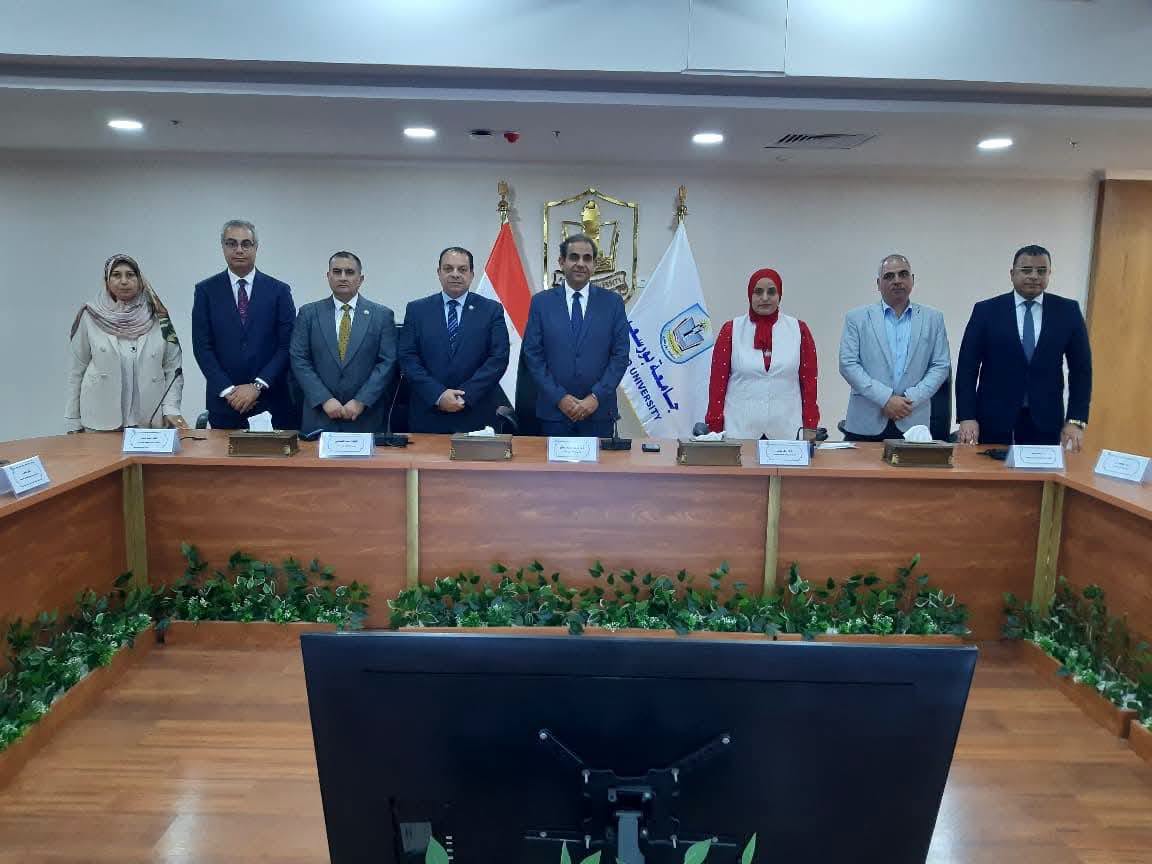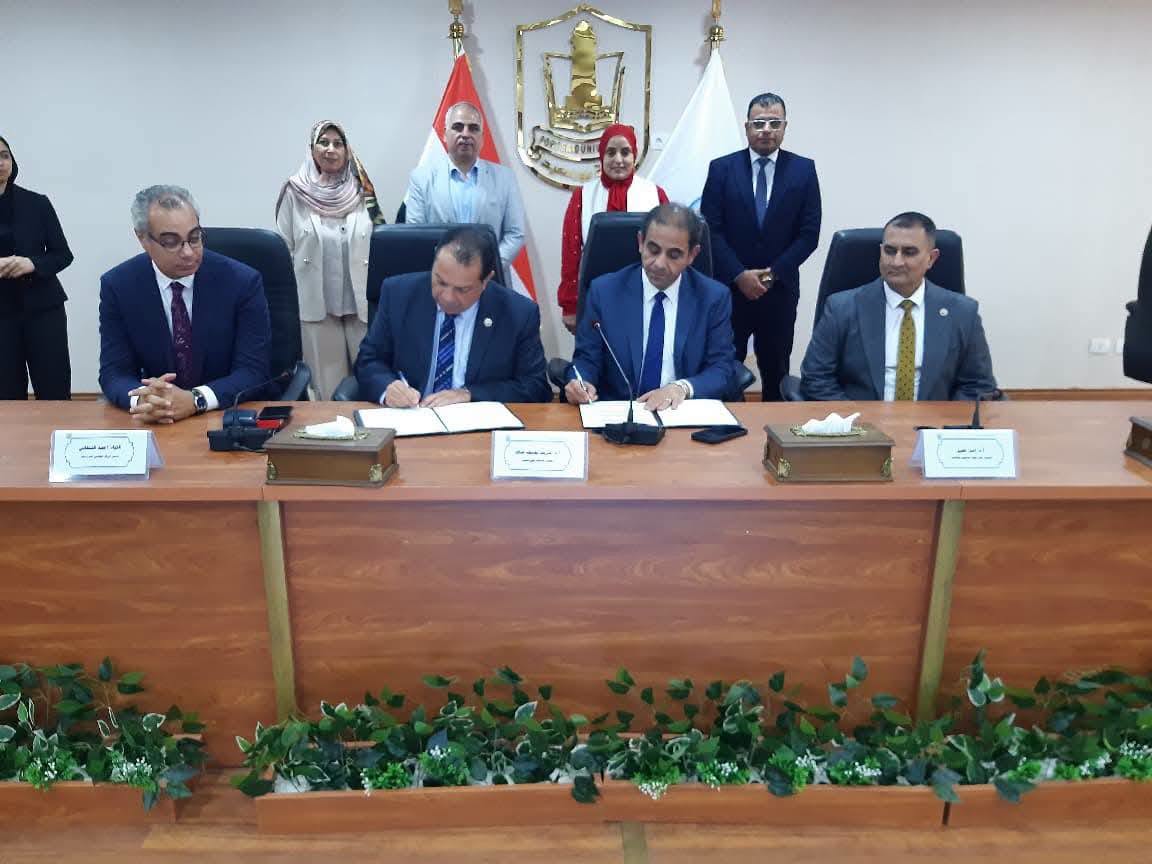
Prof. Dr. Sherif Saleh, President of Port Said University, signed a cooperation protocol with the National Center for Studies to support scientific research, enhance decision-making, and strengthen collaboration between academic and research institutions.
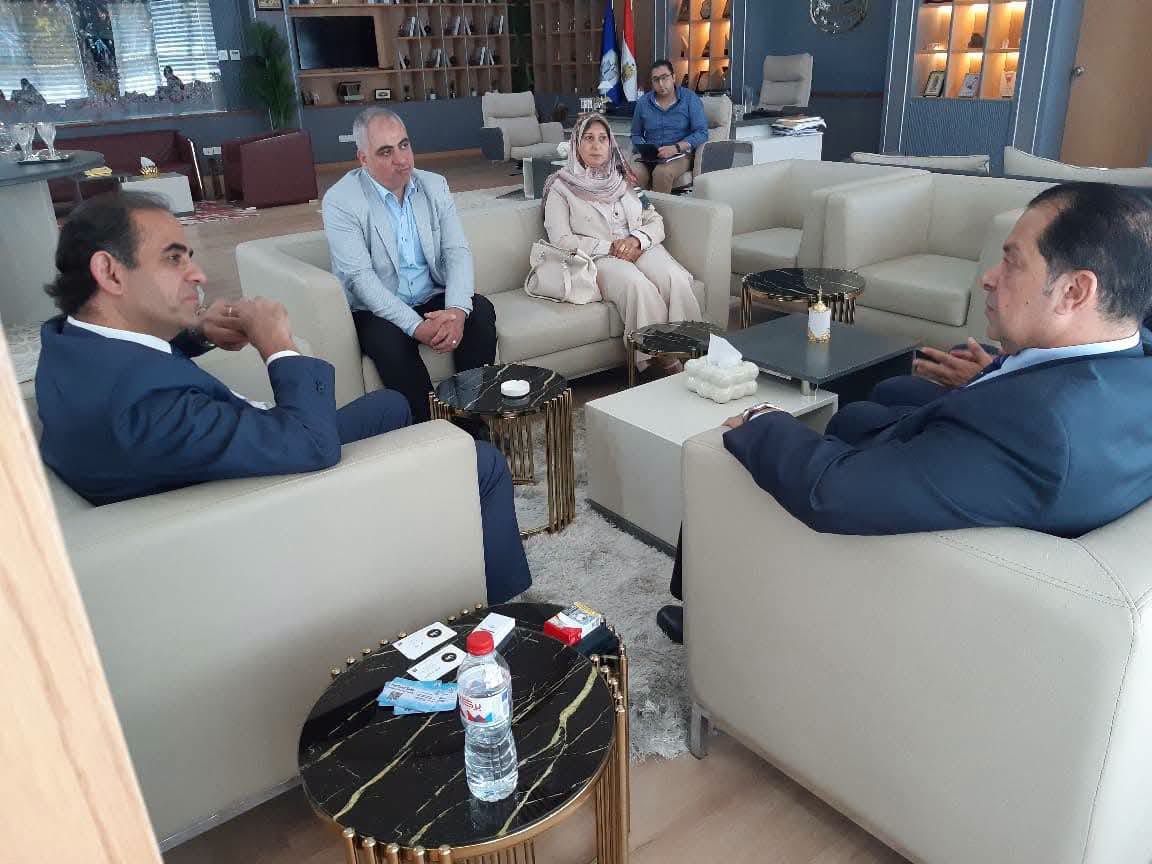
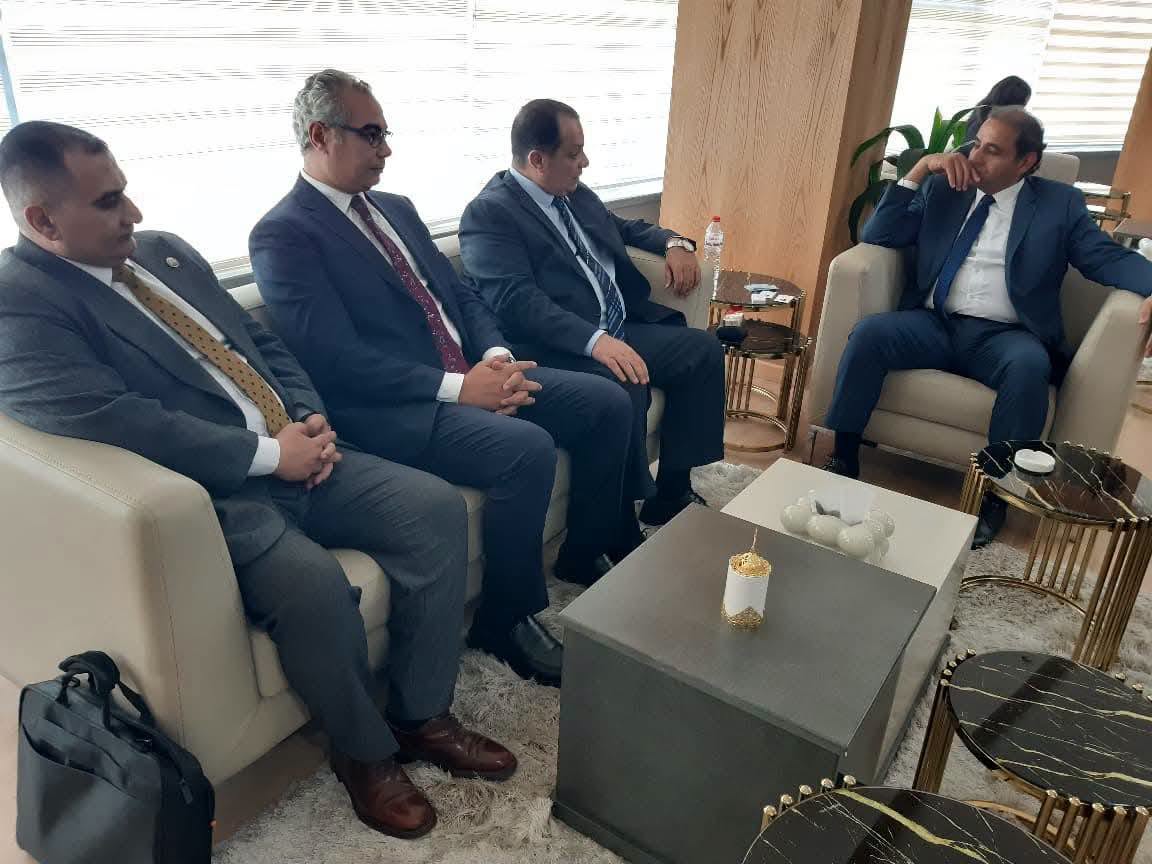
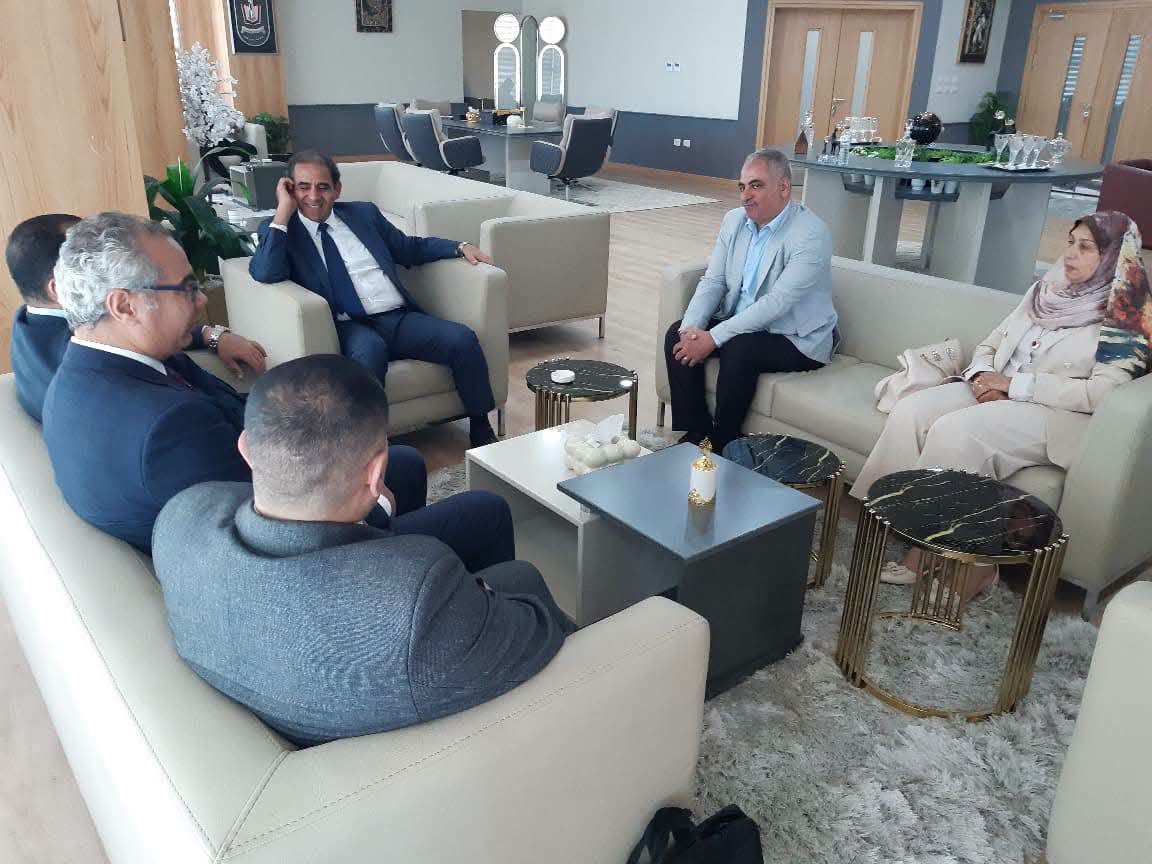
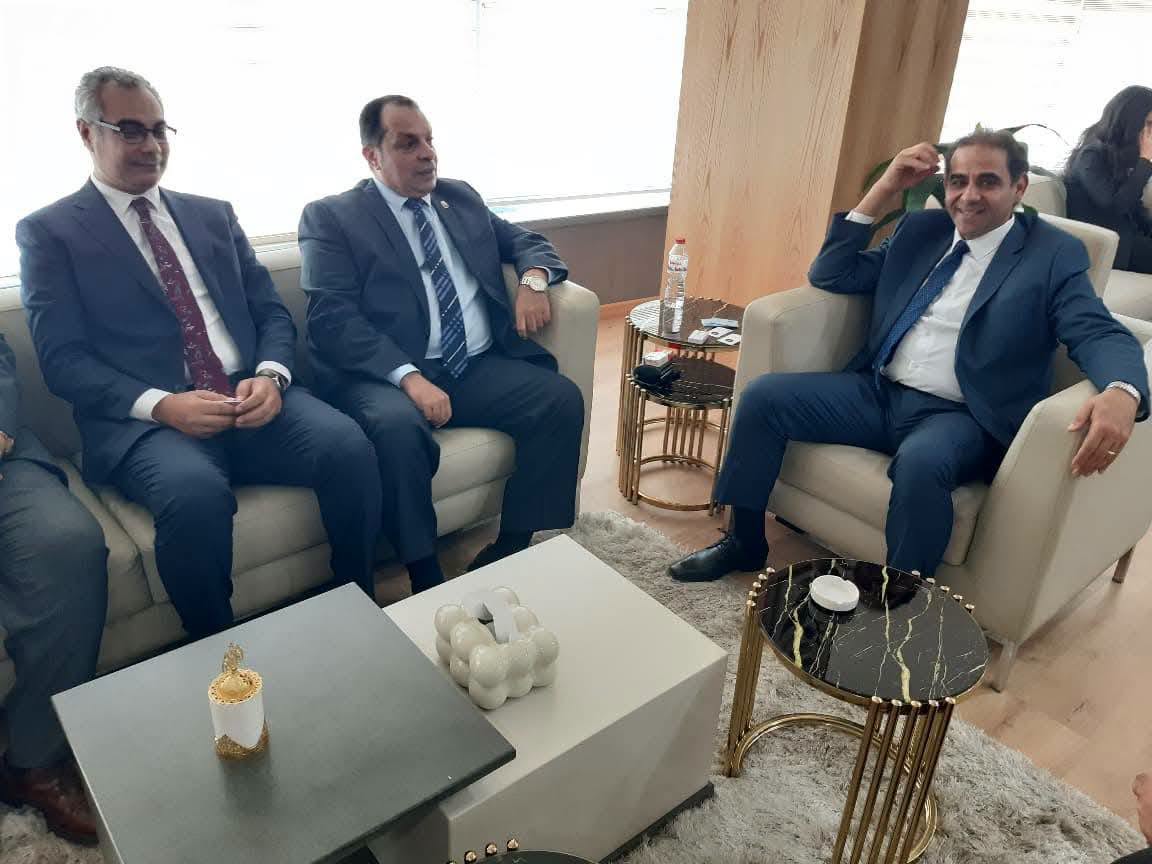
The protocol was signed during the university’s reception of Major General Ahmed El-Shahaby, Director of the National Center for Studies, in the presence of Major General Dr. Ahmed Farouk, Advisor to the Center; Mr. Hany El-Aasar, Executive Director of the Center; Prof. Dr. Mohamed Kamel, Supervisor of the Community Service and Environmental Development Sector; Professor Dr. Amal Khalil, Supervisor of the Education and Student Affairs Sector; Prof Dr. Sherifa Fadel Balat, Prof. Dr. of Political Science and International Relations; and Prof. Dr. Mohamed Rizk, Supervisor of the University Cities Sector.
The agreement aims to establish sustainable institutional cooperation through organizing conferences, seminars, workshops, and strategic dialogues, in addition to implementing joint research projects, specialized training programs, and applied studies that contribute to community service and sustainable development.
Both parties also agreed to exchange expertise and develop integrated training plans that support capacity building and reinforce the role of scientific research in supporting decision-makers and addressing future challenges.
Major General Ahmed El-Shahaby praised Port Said University’s remarkable progress in academic, research, and administrative fields, emphasizing the importance of cooperation between universities and research institutions in producing knowledge that supports national development.
Prof. Dr. Sherif Saleh affirmed that the protocol reflects the university’s vision of building effective strategic partnerships with national institutions, stressing that modern universities have become national houses of expertise that contribute to development plans and decision-making through specialized research and qualified human cadres.